Verified
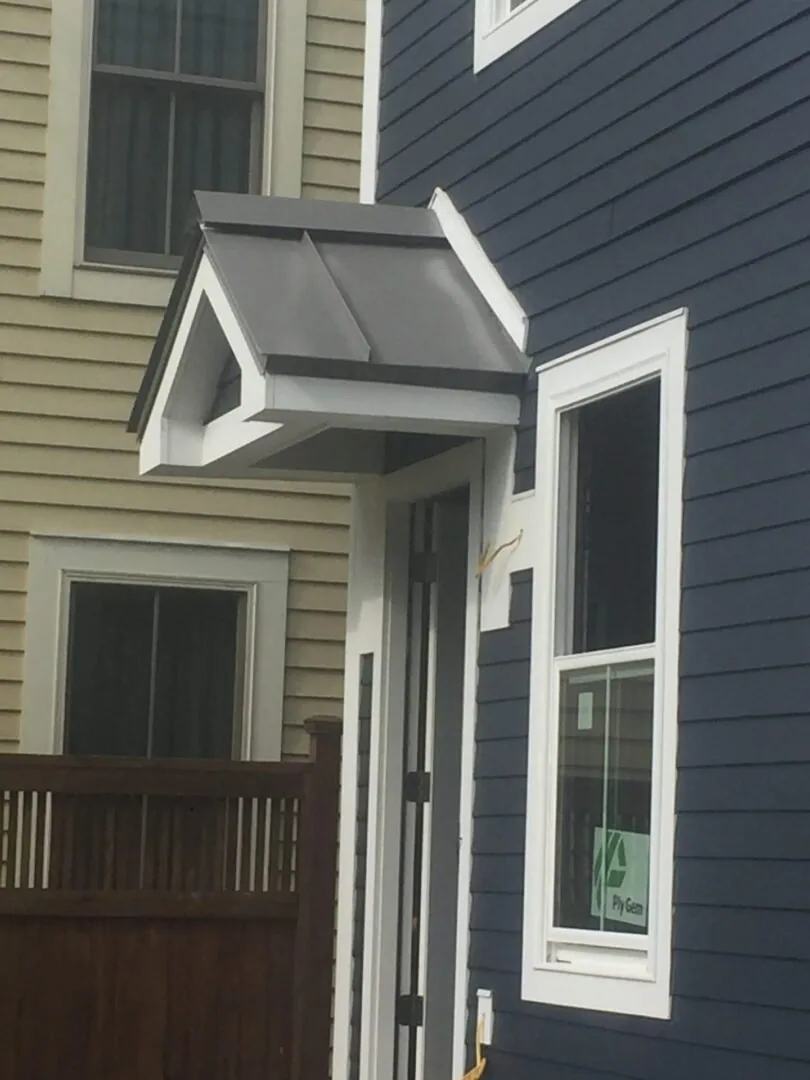
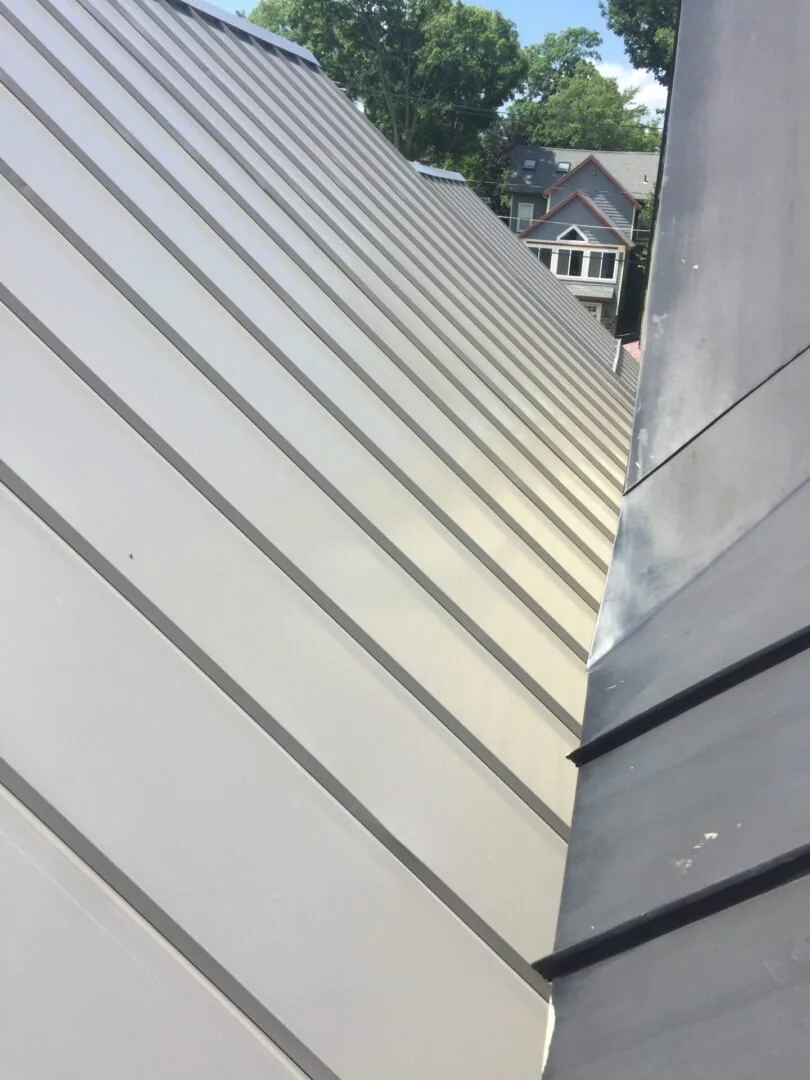
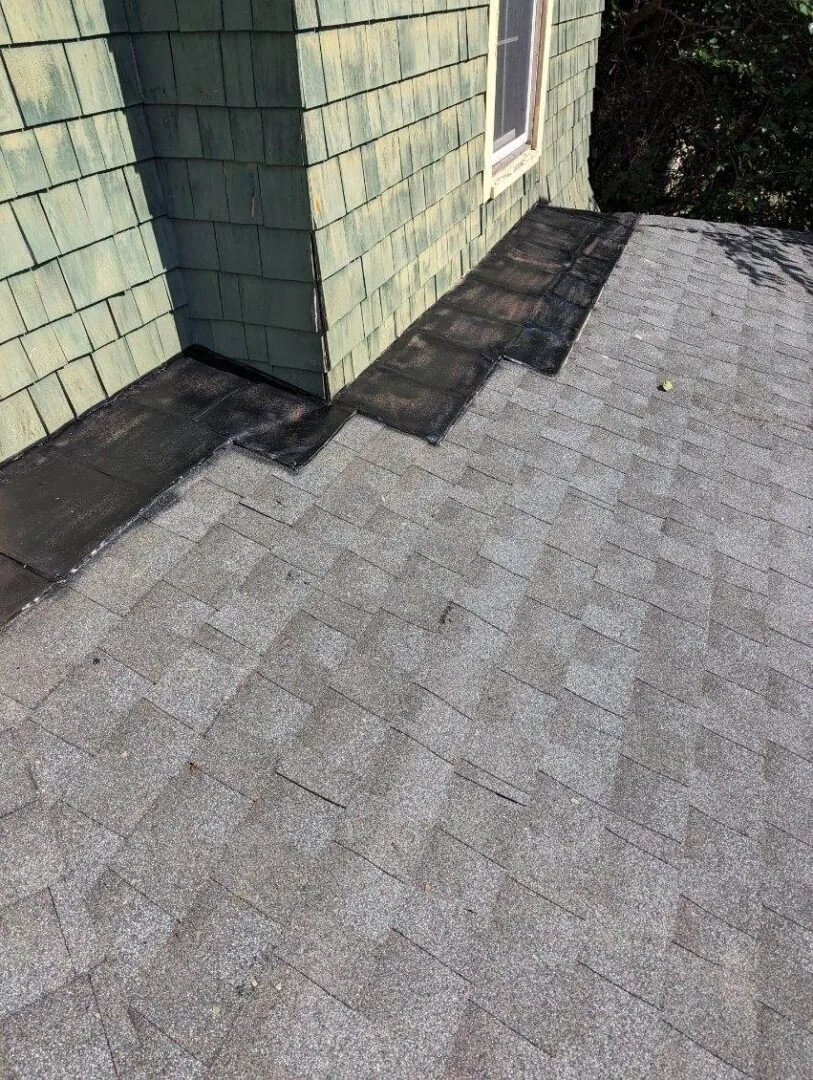
Stephen did a great job fixing the leaks on our 30 year old steel roof with a 9/12 pitch!! He was able do what others have tried to fix and failed. He knew the correct way to stop the leaks! I highly recommend him!
Metal Roofing
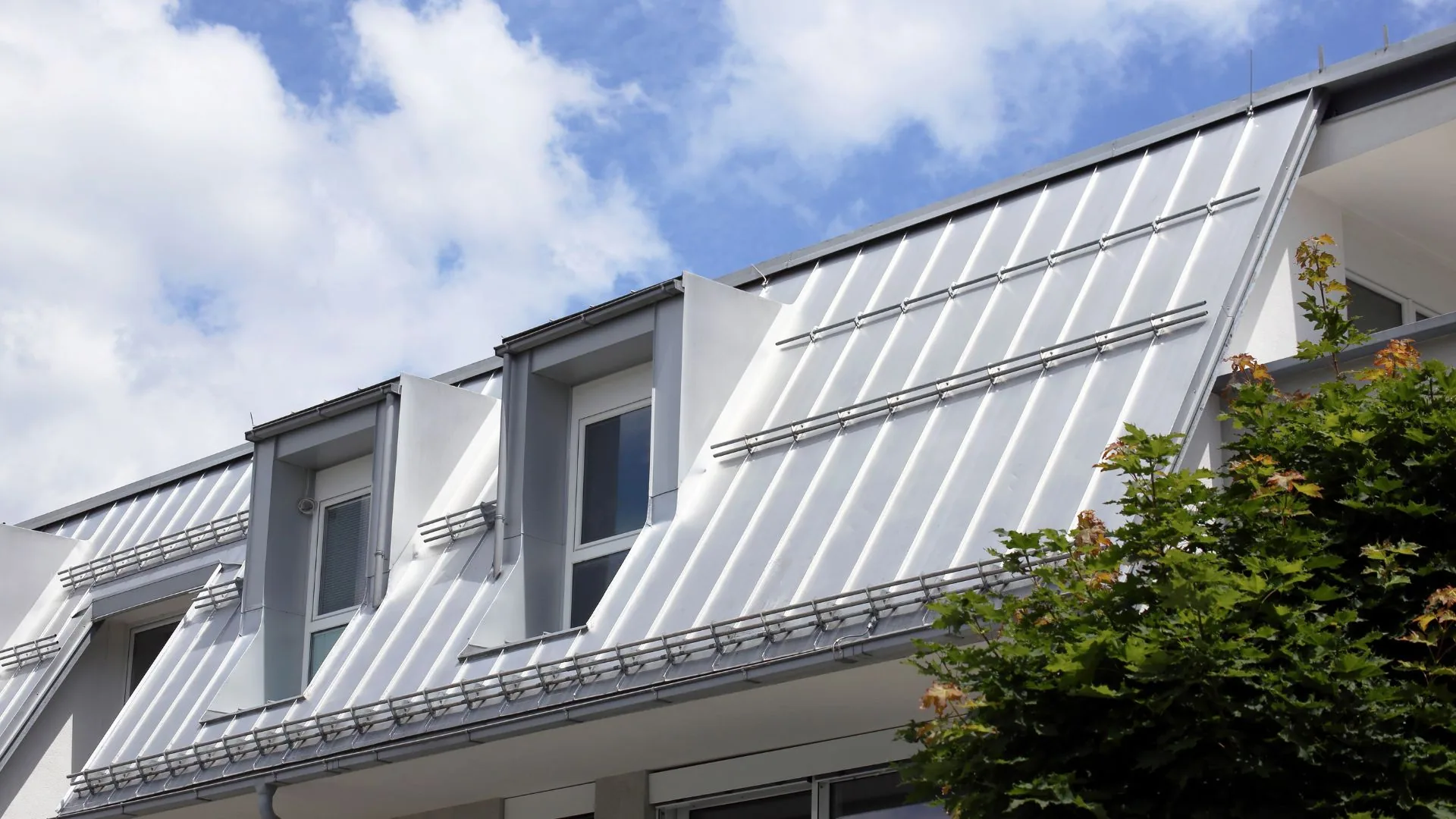
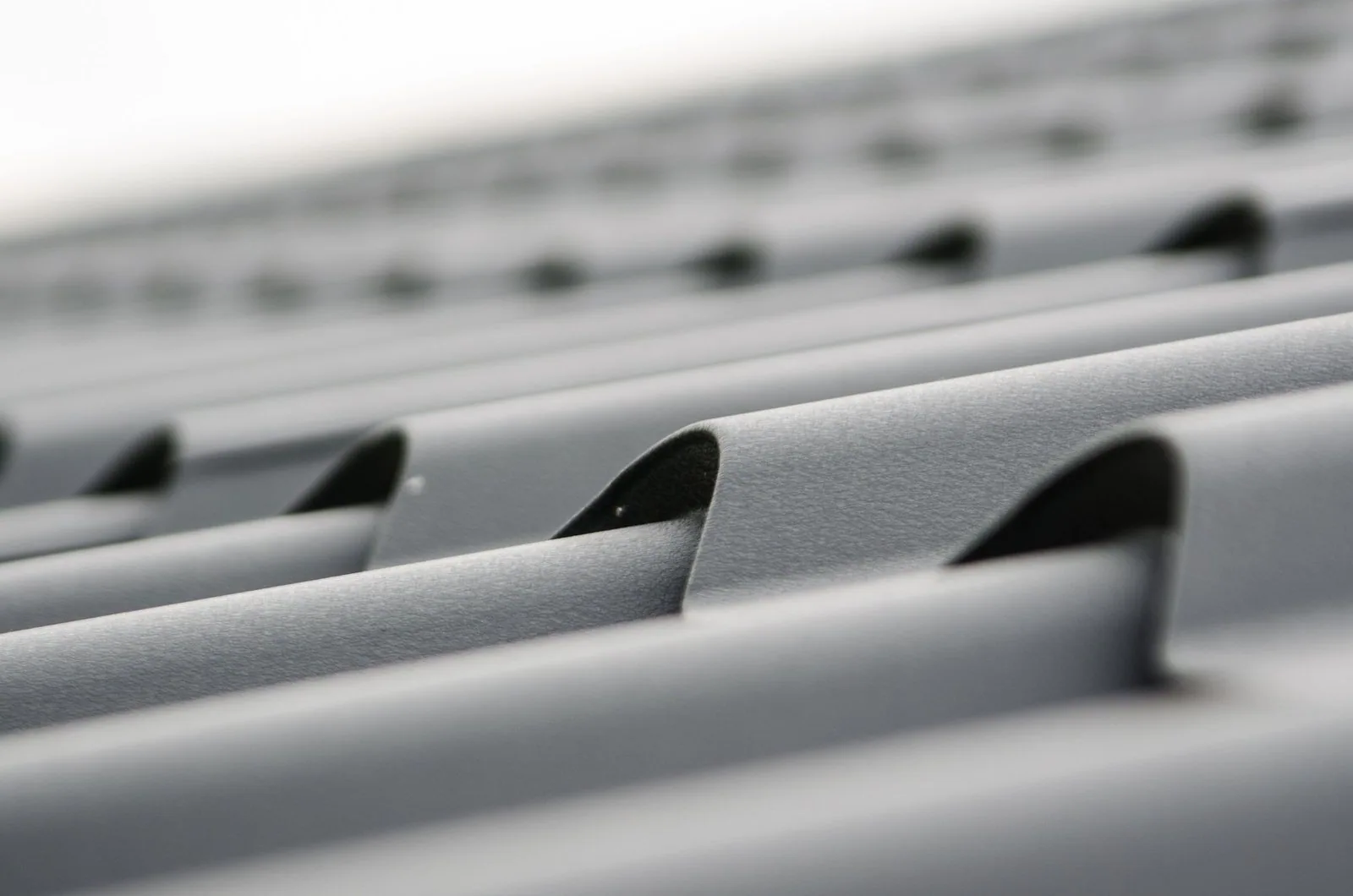
Standing seam, exposed fastener and metal shingle roofs, specified for snow load and installed by the crew that quoted them.
A properly installed standing seam metal roof will last fifty years or more in the Northeast, sheds snow instead of holding it, and has no exposed fasteners to fail. It costs more up front than asphalt and usually costs less across the life of the building.
Metal is the roof we get called about most, and it is the one where installation quality decides everything. The panels themselves are commodity. What separates a roof that lasts fifty years from one that leaks in eight is whether the substrate was flat, whether the panels were allowed to move, and whether the flashings at the valleys, the chimney and the wall junctions were formed properly instead of caulked and hoped for.
Metal expands and contracts with temperature more than any other roofing material. On a long panel run that movement adds up to real distance across a hot day and a cold night. A standing seam system is designed around that, with concealed clips that hold the panel down but let it slide. Fasten the same panel rigidly and you get oil canning, then stressed seams, then a leak at the fastener. This is the single most common failure we get called to look at on metal roofs that other people installed.
The other thing metal does well here is snow. A steep metal plane sheds a load rather than carrying it, which matters on a Vermont or Berkshire property where the accumulation is measured in feet rather than inches. That same shedding is why snow retention needs planning, not an afterthought. A roof that dumps its entire load onto a doorway, a walkway or a gas meter has traded one problem for a worse one.
What we handle
Which one suits your roof depends on the pitch, the span, the building and the budget. We will tell you which we would put on our own house and why.
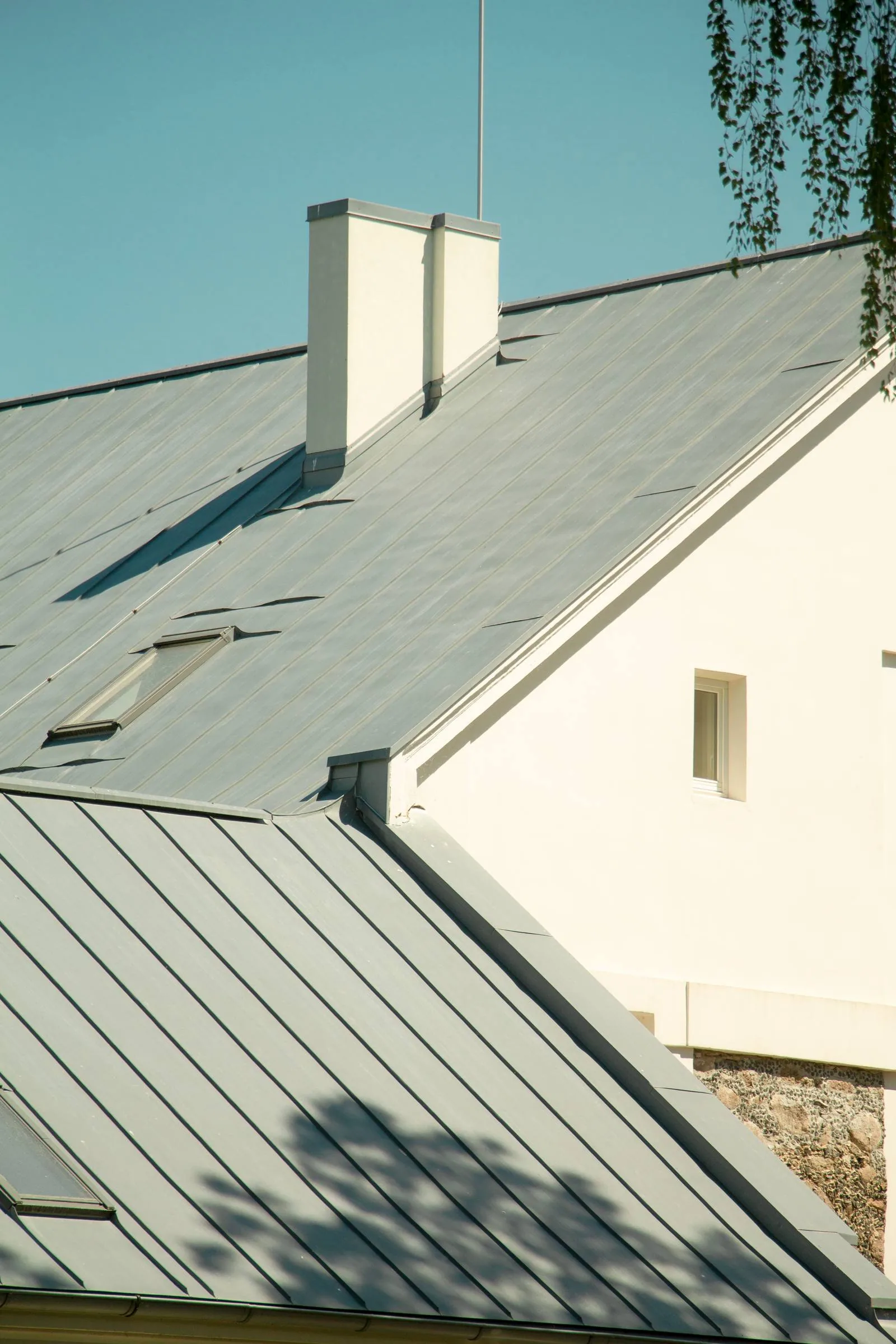
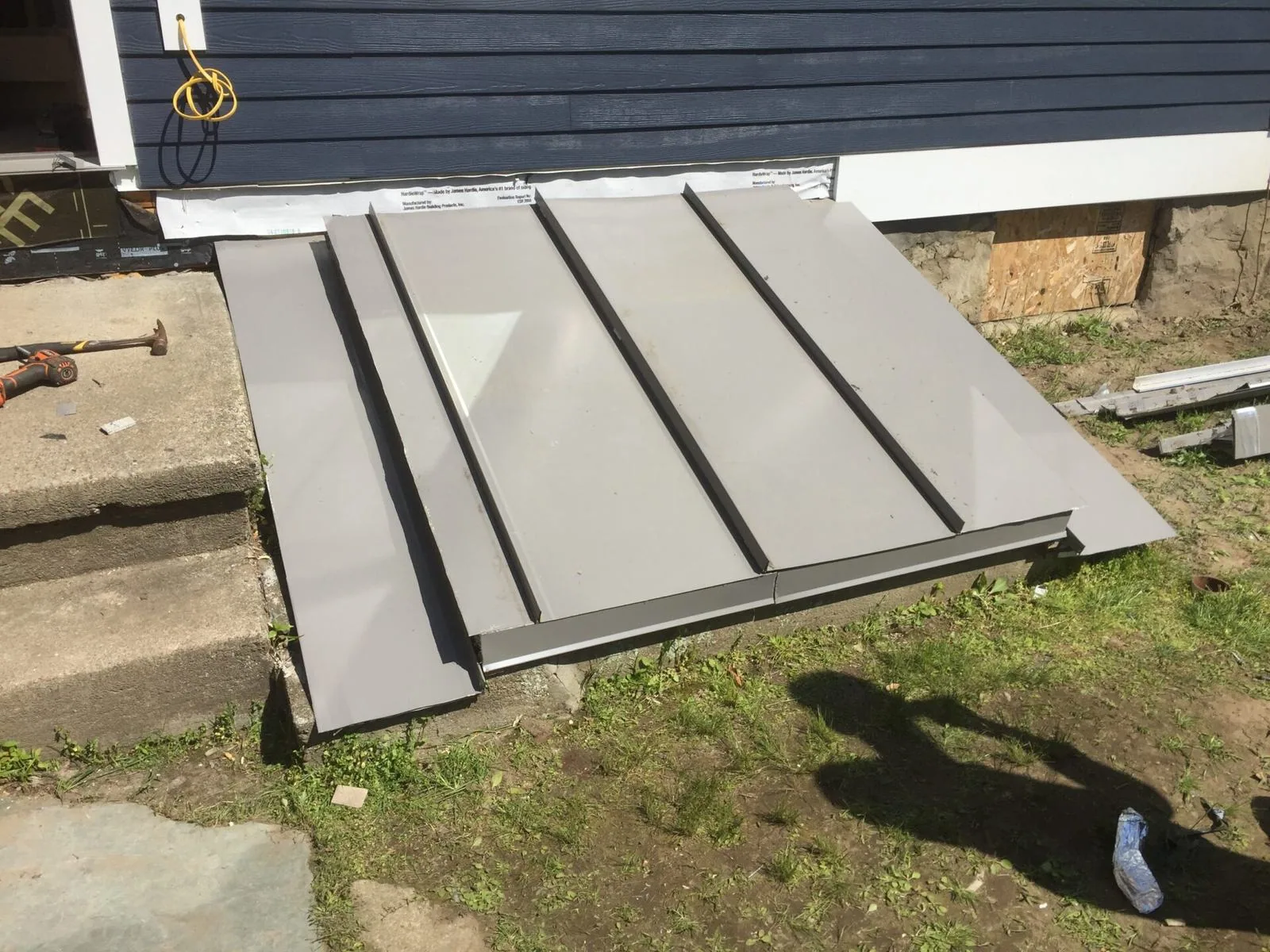
Concealed fastener panels with a raised, mechanically seamed or snap-locked joint. No penetrations through the weather plane, so nothing to back out or gasket-fail. This is the system for a house you intend to keep.
Through-fastened ribbed panel. Faster and more economical, and the right call on barns, workshops, garages and outbuildings. The gaskets are a maintenance item, so we spec fastener spacing accordingly rather than to the minimum.
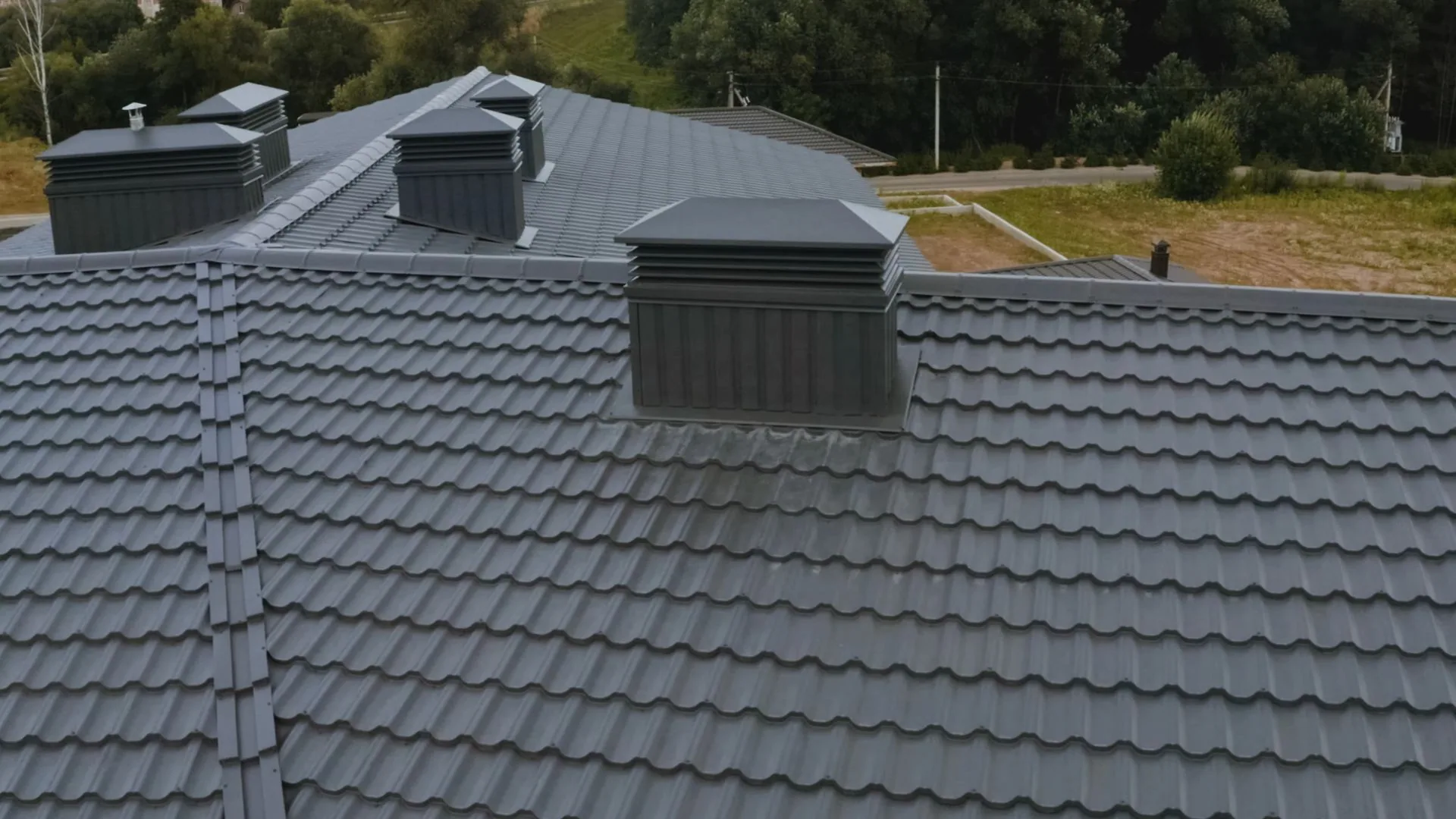
Metal that reads as slate, shake or tile from the ground. Useful where a historic district or an association will not accept a ribbed panel but you still want the lifespan.
Failed fasteners, split seams, botched flashing and panel replacement on existing metal. We also add snow guards and rails to roofs that are dumping their load somewhere dangerous.
How it runs
Four stages. You get a written estimate before anything is ordered, and you know the material spec before you commit.
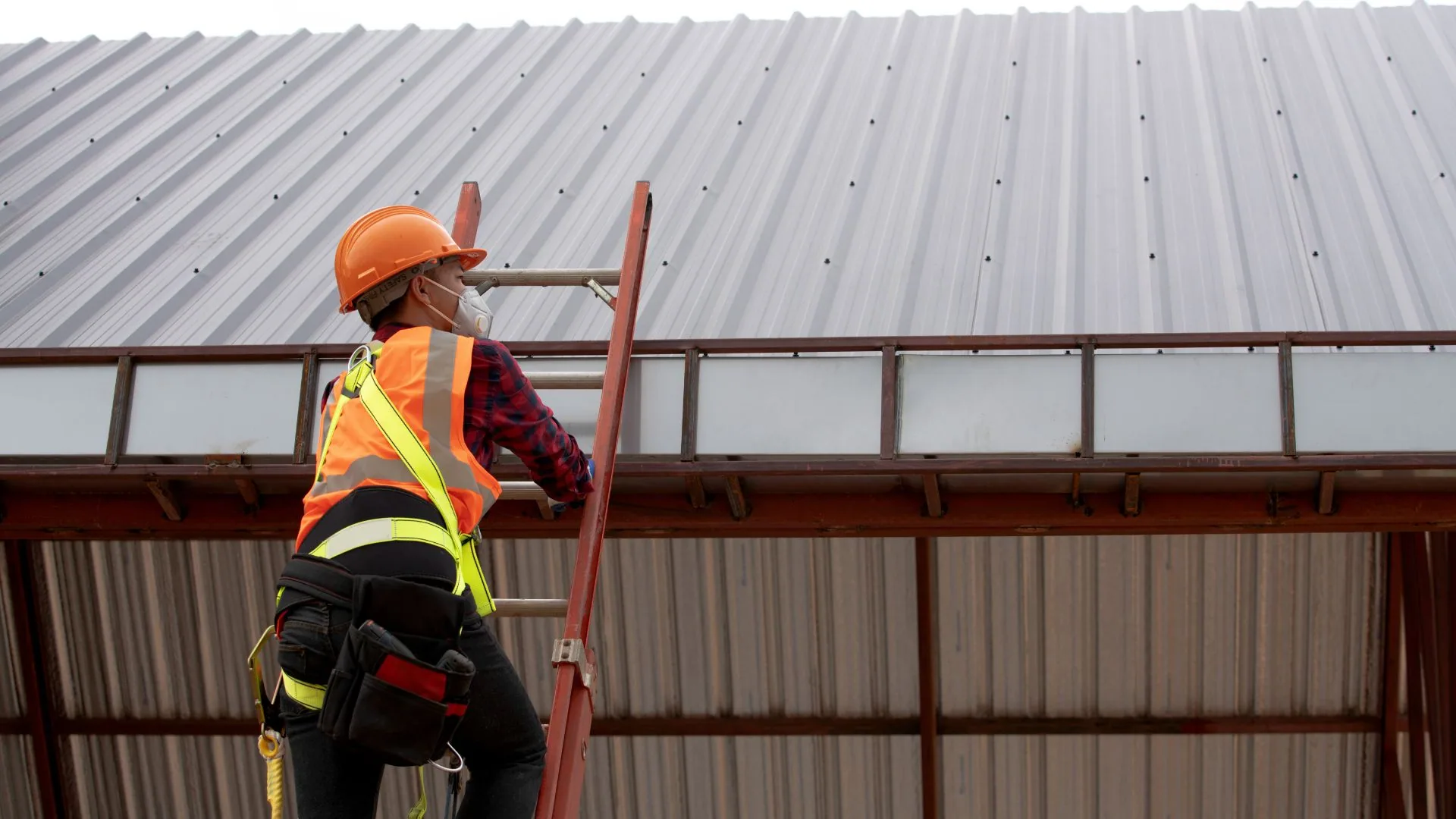
On the roof where it is safe to be, not from the driveway with binoculars. We check the deck, the existing flashing, the ventilation and where water is actually getting in, which is often nowhere near the stain on the ceiling.
Panel profile, gauge, coating, fastener type, underlayment and flashing detail, all named. If we recommend one system over another you get the reason. No verbal numbers.
Old roofing comes off so we can see the deck. Soft or rotted sheathing gets replaced, not covered. Then high-temperature underlayment, ice and water shield in the valleys and along the eaves, and flashing formed to fit.
Panels set with the correct clip spacing so they can move, seams closed, all penetrations flashed rather than sealed. Snow retention where the load needs managing. Site cleared and magnet-swept before we leave.
Why us
Valleys, chimney saddles and wall junctions get metal shaped to the actual condition. Most leaks on metal roofs are flashing leaks, not panel leaks, and most flashing failures are a tube of sealant standing in for a bend.
Panel gauge, clip spacing and snow retention are decided by where the building is and how much load it takes. A roof in Winhall and a roof in Colonie are not the same job.
No lead handed to a subcontractor you have never met. The person who looked at your roof and wrote the number is on it when the work happens.
Reviews
Google reviews from a customer we did metal roofing for.
Stephen did a great job fixing the leaks on our 30 year old steel roof with a 9/12 pitch!! He was able do what others have tried to fix and failed. He knew the correct way to stop the leaks! I highly recommend him!
Where we work
We install metal roofing throughout the Capital Region, north through Saratoga County, east into the Rensselaer County hill towns, over the line into southern Vermont, and south through the Berkshires. Snow load, and therefore the right specification, changes noticeably across that range.
We cover Albany County, NY, Rensselaer County, NY, Saratoga County, NY, Schenectady County, NY, Bennington County, VT, Berkshire County, MA.
Questions
Metal costs meaningfully more up front. Roughly two to three times an asphalt roof of the same size, depending on the system and the complexity of the roof. Across the life of the building it usually comes out ahead, because you are buying one metal roof instead of three asphalt ones. We give you the real number in writing after we have looked at your roof, because square footage alone does not price a job. Valleys, dormers, chimneys and pitch do.
No, and this is the most persistent myth in roofing. The noise people remember is from a barn or shed where the panel is fastened straight to open purlins with nothing underneath. On a house, the panel sits over solid decking, underlayment, an attic space and insulation. Most homeowners tell us it is quieter than the asphalt roof it replaced.
Fifty years is the conservative figure for a properly installed standing seam roof in the Northeast, and plenty run longer. The panels normally outlast the sealants and the fasteners, which are serviceable rather than terminal. Exposed fastener systems are shorter lived because the gaskets age, which is why we use them on outbuildings rather than houses.
Sometimes, and we will usually advise against it. Going over the top hides the condition of the deck, and the deck is the thing that determines whether the new roof is worth having. It also traps moisture between the layers. If your sheathing is sound and the situation genuinely suits it we will say so, but the default answer is tear it off and look at what is underneath.
It will slide, which is largely the point, and it needs planning. A metal roof can release its whole load at once. We look at what sits underneath the eaves, doorways, walkways, decks, gas meters, air conditioning units, and add snow guards or rails where the load has somewhere it should not go. This gets designed into the job rather than added after someone loses a gutter.
A straightforward residential roof is usually a few days to a week on site once the material is in. Complexity drives it more than size, so a cut-up roof with several dormers and valleys takes longer than a bigger simple one. Material lead time is often the longer wait, and we tell you what that is before you commit rather than after.
Related
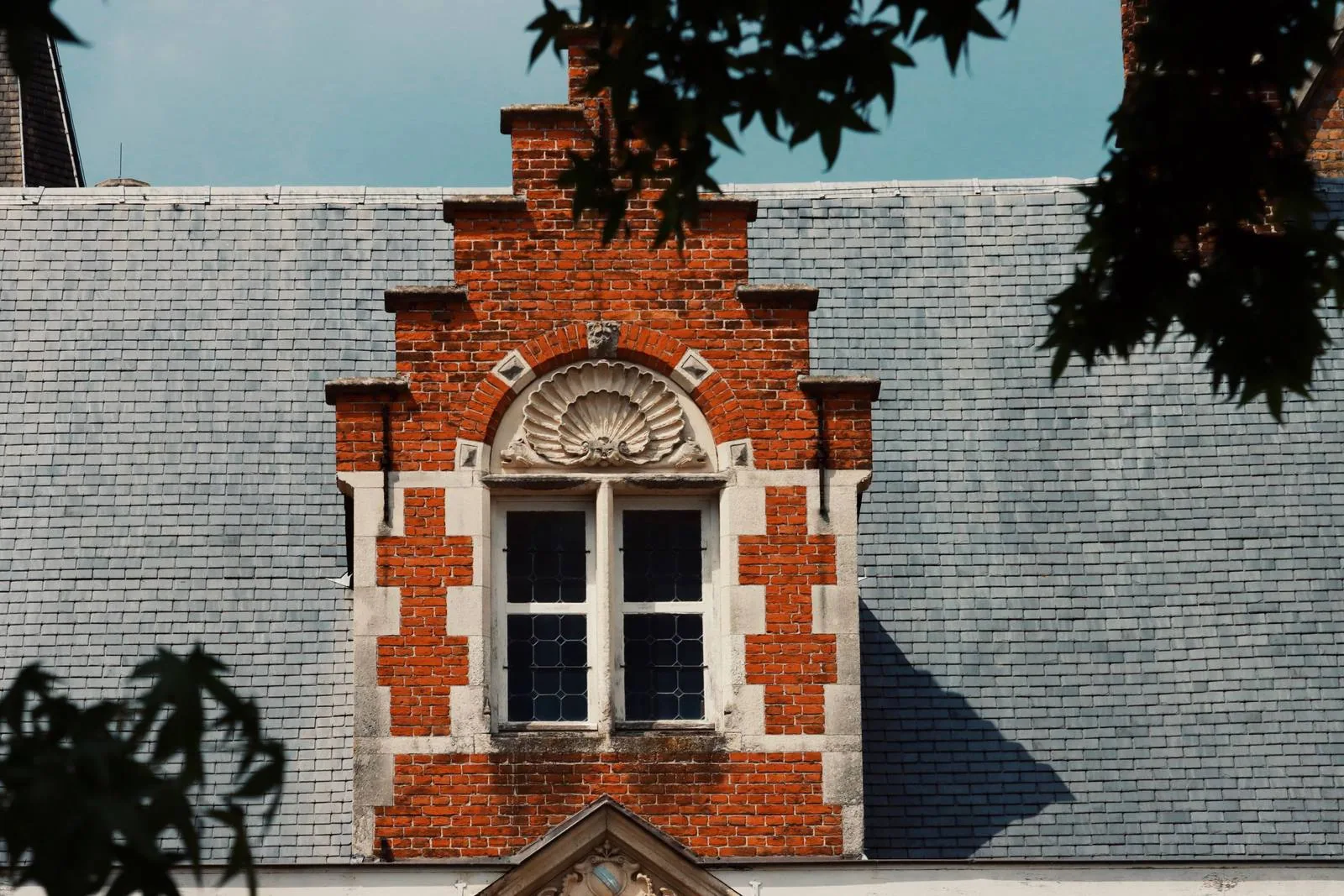
Repair, restoration and installation of natural slate, including matching salvaged tile on historic homes.
Learn more about Slate Roofing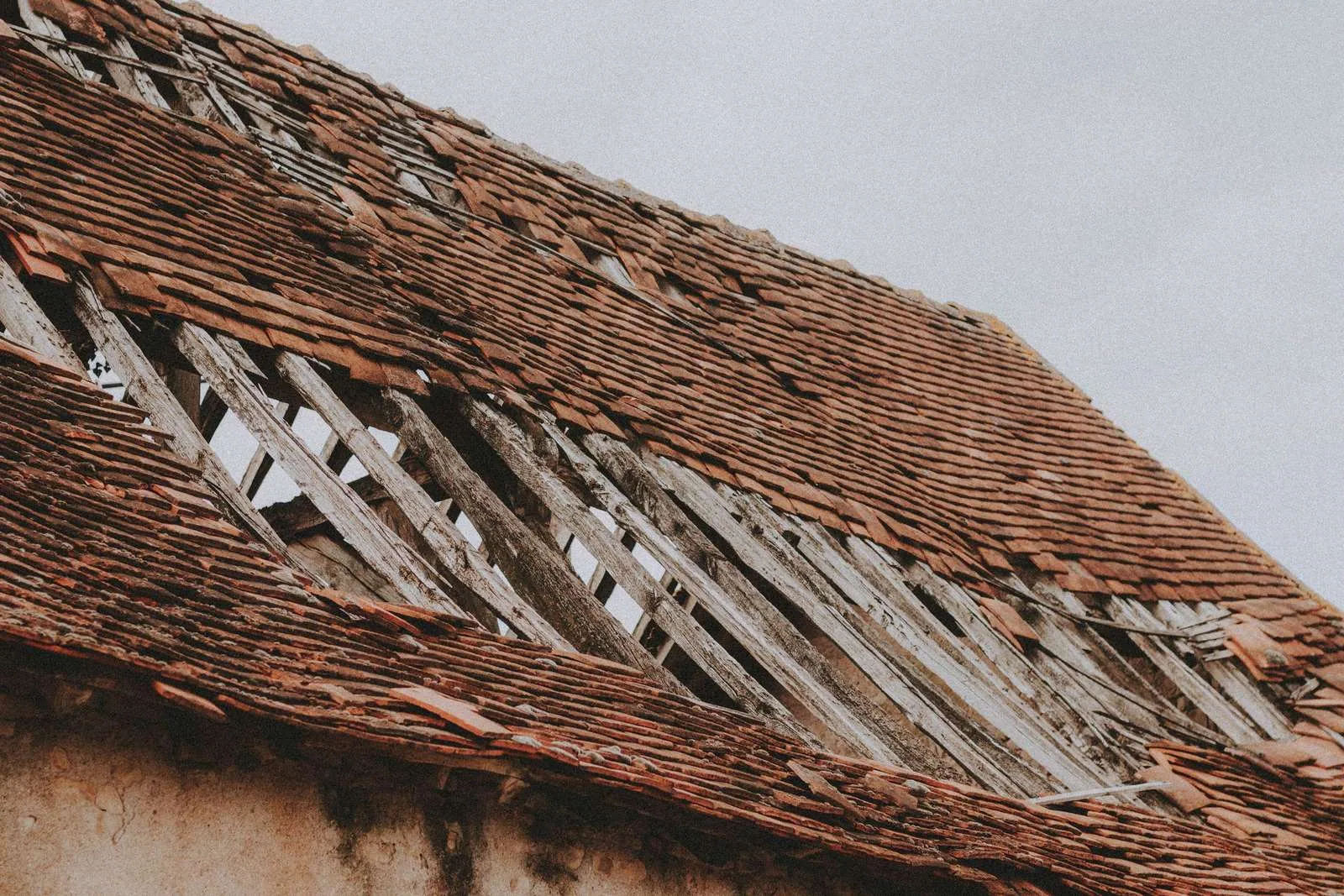
Leak repair, storm damage, and full tear-offs on asphalt, metal and slate. We find the actual source, not the wet spot.
Learn more about Roof Repair & Replacement
Vinyl, fiber cement and wood siding, plus seamless gutters and guards that move water away from the foundation.
Learn more about Siding & GuttersWe will come out, get on the roof, and give you a written estimate with the material spec named. No cost, no pressure.

Tell us about your project and we will get back to you with a written estimate.